





Roof Coatings vs. Full Replacement in New Jersey: How to Decide
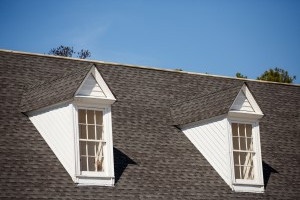
If your roof is aging or leaking, choosing between a coating and a full replacement can feel like a coin toss. This guide explains roof coatings vs replacement in New Jersey so you can protect your home with confidence. When coatings are not the right fit, plan a professional roof replacement with Joseph David Roofing for a durable, code-compliant result.
Want a quick overview of options and warranties from a local team? Start at our roof coatings vs replacement New Jersey resource and explore services tailored to your home and budget goals.
What Roof Coatings Can and Cannot Do
Liquid-applied coatings can extend the life of certain low-slope or metal roofs by sealing seams, improving reflectivity, and slowing weathering. They work best when the existing roof is still structurally sound and dry beneath the surface.
- Coatings can add a seamless layer that helps block UV and reduce heat gain.
- They can help control small surface cracks and improve waterproofing on many flat or low-slope systems.
- They can reduce rooftop temperatures, which may ease attic heat and help shingles or membranes last longer.
There are also clear limits. Coatings do not fix saturated insulation, rotten decking, or major wind and hail damage. They are not a cure for deep structural problems, poor ventilation, or repeated leaks from aging flashings.
- Coatings are generally not recommended over worn asphalt shingles.
- If moisture is trapped below the surface, a coating can seal in the problem and make repairs harder later.
- Most manufacturers require a clean, dry, and stable surface; or, warranty coverage can be affected.
When a Full Roof Replacement Is the Better Choice in New Jersey
New Jersey weather brings freeze–thaw cycles, summer heat, and nor’easter rain that stress roofing materials. Choose replacement when you see widespread granule loss, curling shingles, or persistent leaks that return after spot repairs. If multiple layers already exist, replacement is often the safest path to restore the roof deck and ventilation.
Replacement also makes sense when the roof is near the end of its typical service life, when the decking is soft or sagging, or when past storm damage created hidden weak points. A new system lets you update underlayments, flashings, and attic airflow so the whole assembly works together.
Acrylic vs Silicone Coating: Which Fits New Jersey Homes
Both acrylic and silicone coatings can protect low-slope and metal roofs, but they behave differently in local conditions.
Acrylic coatings are water-based and reflective. They are known for bright white finishes that help cut rooftop temperatures. They are easier to recoat later and are often preferred where ponding water is not an issue. However, extended standing water can break down many acrylics.
Silicone coatings excel where ponding water occurs, such as over flat decks or near internal drains. They resist UV and weathering and hold up well after severe summer sun. They can attract dirt over time, and repairs may require specific primers for adhesion.
Never coat a roof with active leaks or wet insulation beneath the membrane. The substrate must be dry, repaired, and prepared according to the manufacturer. Your Joseph David Roofing specialist will test suspect areas before recommending any coating system.
Local Factors That Matter in New Jersey
Along the coast, salt-laden air and high winds can wear at exposed fasteners and seam edges. Inland neighborhoods face snow load, ice dams along eaves, and intense summer UV. Urban homes in Jersey City, Newark, and Hoboken often have low-slope roofs where ponding is more common after heavy rain.
These conditions influence the choice. Coatings may suit a sound low-slope surface in the city where access is tight, and you want less disruption. Replacement is smarter when shingles are brittle after many winters, when ice dam history suggests underlayment upgrades, or when you plan a long-term hold and want the warranty that comes with a new system.
After a nor’easter or strong coastal storm, schedule a professional roof check within 48 hours. Small coating splits and lifted flashings often worsen during freeze–thaw cycles. Early repairs can prevent minor issues from spreading.
How to Decide: A Simple, Local Framework
Use this quick framework to narrow your choice before you meet with a pro.
- If your roof is structurally sound, dry, and low-slope, a properly specified coating may extend service life.
- If the roof is shingled with age-related failures across large areas, plan for replacement.
- If you are preparing to sell soon, a coating may help the appearance and performance, but a full replacement can be more attractive to buyers.
- If you plan to stay long term, a replacement can reset the clock and improve attic ventilation and weather defenses.
Any solution should start with a thorough moisture and deck assessment. That is the only way to know if the roof is a candidate for coating or if hidden damage points to replacement.
What to Expect During Each Option
With coatings, crews clean the surface, repair seams and flashings, and apply one or more layers according to the system. Expect less noise and less debris compared to a tear-off. Weather windows matter, since surfaces must be dry and temperatures suitable for curing.
With replacement, crews remove old materials, inspect the deck, and install underlayments, flashings, and the new roof system. Expect more activity, delivery of materials, and short-term noise as old layers are removed and new components are fastened. This process lets your installer correct ventilation and flashing details that coatings cannot address.
Real-World Signals You Can Trust
Look for patterns, not just one symptom. Widespread shingle cracking, interior water stains after several storms, or soft decking when walked are signs that a new system is due. On low-slope roofs, a solid surface with isolated seam wear is a better candidate for coating once repairs and cleaning are complete.
Have photos from past storms or a home inspection report? Bring them to your evaluation. They help your Joseph David Roofing pro see trends that guide the decision.
Fit Your Goals: Comfort, Resale, Or Longevity
Each home and owner has different goals. If your priority is lower summertime attic heat, a reflective system or a new cool-rated roof can help with comfort. If you want the longest runway with the fewest surprises, a full replacement usually provides the clean slate you need with new flashings and balanced airflow.
For a deeper look at materials and seasonal prep, browse our roofing blog. You will find tips geared to New Jersey weather and neighborhoods.
Where Coatings Shine, Where Replacement Wins
Coatings shine on sound, low-slope substrates with good drainage and no trapped moisture. Replacement wins when the roof has aged out, when leaks are chronic, or when you want to upgrade underlayments and ventilation for long-term performance.
If your home needs more than surface protection, explore our broader residential roofing services to see how a complete system approach protects your investment.
Your Next Step With a Trusted New Jersey Roofing Company
Ready for a clear recommendation from a professional New Jersey roofing company? Schedule a no-pressure assessment and get a written plan that explains whether a coating or a new system is best for your home. If the inspection points to replacement, we will outline the process and timeline for your roof replacement so you know exactly what to expect.
Talk to Joseph David Roofing today at 908-925-0007. If you are comparing options across materials or planning a future renovation, our team will help you map out the right path for New Jersey’s climate and your long-term goals.


