





Hail and Wind Claims in NJ: What Photos, Measurements, and Reports Adjusters Expect
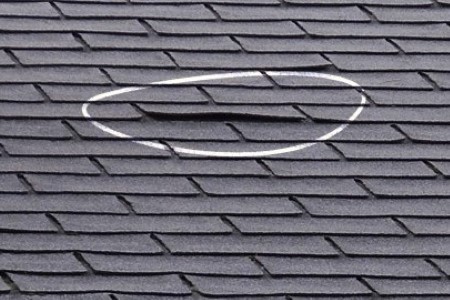
Storms in Union County, NJ can move in fast and leave your roof worse for wear. If you are opening a hail or wind insurance claim, the key is organized, clear documentation prepared by a qualified roofing professional. This guide explains what adjusters expect and how Joseph David Roofing builds a claim file that stands up to review. If you also need preventive care after the storm, ask about our roof maintenance services.
What Adjusters Look For After Hail And Wind
Adjusters review three things: the scope of roof damage, proof it was caused by a specific storm, and whether repair or replacement is the right fix. Think of your claim file like a puzzle. Each photo, measurement, and report is a piece that should fit together to tell one clear story.
In towns like Westfield, Cranford, and Linden, common findings include bruised or fractured shingles from hail, creased or lifted tabs from wind, and dents on soft metals like vents and gutters. Interior signs such as ceiling staining around chimneys or valleys help connect exterior impacts to actual leaks.
Photos That Meet Insurance Standards
Your roofer’s photo set should make it easy for an adjuster to see what happened without ever stepping on your roof. The goal is consistency and clarity across all slopes and details.
- Wide shots of every slope, plus close-ups of impacts with a visible scale like a ruler or coin
- Images of soft metal components: ridge vents, box vents, gutters, downspouts, flashing, and HVAC fins
- Evidence of wind: lifted tabs, missing shingles, exposed underlayment, and creased edges along the windward side
- Interior proof: attic sheathing stains, damp insulation, or ceiling marks aligned to roof penetrations
- Context: ground-level collateral like dented mailbox tops, damaged window screens, or marred siding
Quality matters. Insurers respond well to date-stamped, in-focus photos that tie every impact to a specific area on the roof plan. Clear labeling such as “Front slope, east eave, near vent stack” saves time during review.
Measurements That Support The Claim
Strong claims include precise, repeatable measurements that back up the pictures. Your roofing professional will record:
- Roof geometry: slope-by-slope dimensions, pitch, and total squares
- Material details: shingle type, age as known, number of layers, and condition of accessories
- Hail indicators: approximate impact diameter, number of marks in representative test areas, and dent depth on soft metals
- Wind indicators: count of missing tabs, linear feet of creasing, and areas of uplift where sealant failed
- Moisture readings: targeted readings at penetrations, valleys, and interior leak points
Measurements convert what you can see into data you can verify. They also help justify whether a repair will hold or if a slope has widespread functional damage that calls for replacement.
Reports And Documentation That Speed Approval
Adjusters expect a clean, organized packet. A typical submission from Joseph David Roofing includes:
1) Inspection report. A written summary with annotated photos for each roof slope and each component. It explains how hail or wind created the damage and where water is getting in.
2) Roof diagram and materials list. A simple drawing with slope labels, penetrations, and linear feet of ridge, eave, hip, and valley. This aligns with the estimate so totals are easy to verify.
3) Estimate with line items. Clear descriptions for labor and materials, including underlayment, flashings, vents, and safety setup. There are no pricing promises here, only transparent scope.
4) Weather verification. A reference to the date and approximate time of the storm as documented by trusted weather sources. This links the condition of the roof to a real event in New Jersey.
5) Material documentation. Manufacturer information for the existing shingles and accessories when available, plus recommended replacements that meet current standards.
Local Proof That Strengthens Your File In Union County
Union County’s mix of open corridors near the Turnpike and tree-lined neighborhoods in towns like Scotch Plains, Rahway, and Summit means wind can behave differently from one block to the next. Good reports point to wind direction and the most affected slopes. If the west and southwest slopes show the strongest creasing after a line of storms, that pattern should match the weather record and the roof photos.
In our area, marks from smaller hail can fade as shingles weather. Quick documentation helps preserve the story of the storm. Secure an inspection soon after the event so photos and measurements reflect fresh conditions.
Local context also matters inside the attic. For example, older homes in Cranford and Garwood may show staining around original bath vents. Newer homes in Mountainside or New Providence often have ridge vents where dents or lifting can be easy to overlook without a close, safe inspection.
How A Roofing Pro Guides Your Claim
Smart claims are built on safety first. Never climb your roof after a storm. A licensed roofing inspector brings the right equipment to access steep pitches, document conditions, and protect your home while they work. They also understand how to test for brittle shingles without causing extra damage.
From Elizabeth and Union Township to Clark and Roselle Park, homeowners rely on a pro to manage the entire file. That includes scheduling the inspection, taking standardized photos, capturing measurements, and preparing the report set. If your roof needs temporary protection, the crew installs it and documents the condition before and after so nothing is missed.
If your home needs an assessment beyond the storm event, our team can review your system as part of ongoing scheduled roof maintenance. This helps catch small issues before they reach living spaces and provides a baseline record that supports any future claim.
Photo Checklist By Roof Area
Your adjuster-friendly photo set should cover each of these zones with wide and close views. Think of it as a guided tour from the street to the attic.
- All slopes: wide, mid, and close-ups; ridge lines; hips and valleys
- Penetrations: plumbing stacks, skylights, satellite mounts, and bath vents
- Edges: eaves, rakes, and starter strips where wind can lift tabs
- Soft metals: ridge vents, flashings, gutters, downspouts, and AC condensing fins
- Interior: attic sheathing at valleys and around chimneys; ceilings under known leak points
Adjusters want consistency. Document damage to soft metals on the same day you capture shingle impacts so the evidence aligns across the property.
Measurements That Tell A Clear Story
Numbers help separate cosmetic marks from functional damage. When a pro records the count of missing tabs on the south slope, the length of a crease line along the eave, or the density of hail impacts in a test area, those figures make it easier for the adjuster to validate cause and scope.
For example, a home in Fanwood with repeated wind-lift along the front eave may show failed adhesive strips. If the report pairs those findings with photos of dust lines beneath lifted tabs and moisture readings inside the attic, the claim reads like a complete narrative rather than a scatter of pictures.
What Speeds Up Adjuster Reviews
Clean organization turns weeks into days. The fastest-moving files usually share these traits:
• A single, clearly named folder for each slope and each interior room checked. • A roof diagram that uses the same labels as the photo files. • A materials section that matches brand and profile where known, or notes when they are unknown.
When homeowners also need broader service, it helps to align the claim with long-term plans. If you are considering upgrades, our residential roofing team can map options to the estimate so you see how everything fits together.
Common Documentation Pitfalls To Avoid
Skip the delays by steering clear of these mistakes we often see across Union County:
- Unlabeled images that mix slopes or rooms, making it hard to track what is where
- No scale in close-ups, which makes hail sizes look larger or smaller than they are
- Missing interior proof where stains or moisture readings would connect the dots
- Photos taken weeks later, after rain and sun have changed how impacts look
- Repairs started before the adjuster has baseline documentation
One more tip for your file: get everything in writing. Notes about prior leaks, recent repairs, or active warranties help everyone understand the roof’s history.
Why Local Experience Matters In New Jersey
Storm patterns differ between open areas near the Passaic River and tree-sheltered streets in Summit or Berkeley Heights. A local team knows which slopes usually take the first hit and which details tend to fail under gusty conditions. That knowledge helps your claim because it shapes where to look, what to measure, and how to explain the findings.
If you need fast help with hail and wind claims in NJ, start with a trusted partner that documents your roof the right way the first time. Clear photos, solid measurements, and a concise report keep your file moving.
Ready To Build A Strong Claim File?
When the next storm rolls across Union County, you do not have to go it alone. Joseph David Roofing will inspect your roof, capture the data adjusters expect, and organize everything into a single, easy-to-review packet. To schedule an appointment, call 908-925-0007. If you want routine care that helps prevent surprise issues, ask about our proven roof maintenance program for New Jersey homes.
Our team is nearby, our process is proven, and our reports are built for real-world storms in towns like Clark, Roselle Park, and Springfield. We are ready when you are.


